
Q
U
A
L
I
T
Y
O
R
E
S
Loading
Loading

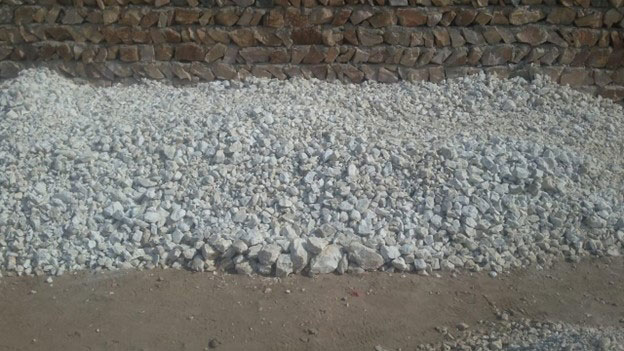
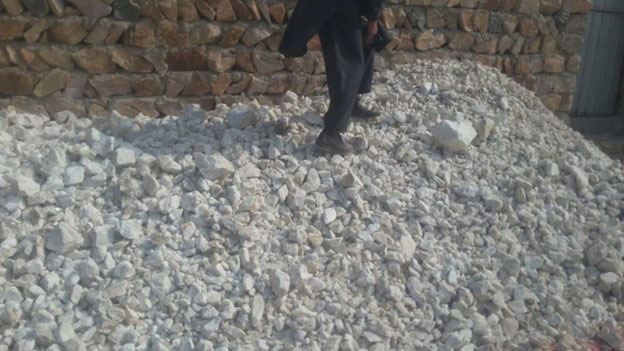
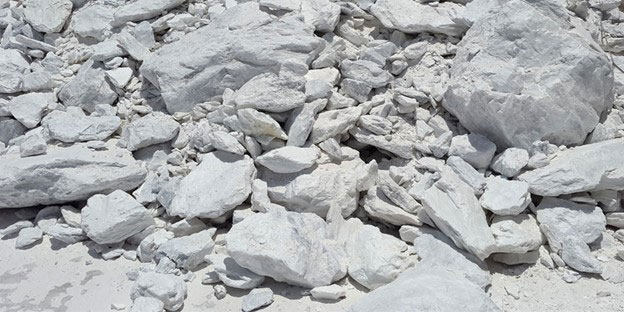
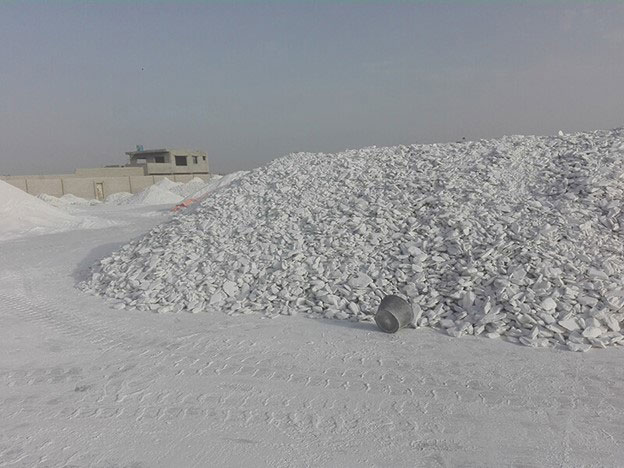
Talc is a soft mineral composed of hydrated magnesium silicate with the chemical formula Mg3Si4O10(OH)2. It is a clay mineral, part of the group of industrial minerals, and is known for its softness, smoothness, and soap-like feel. Talc has a variety of uses, including as a filler in paper, plastics, and paint, as a lubricant, and as a component in ceramics, roofing, and cosmetics.
Talc is the softest mineral on the Mohs scale of mineral hardness, which is used to measure the relative hardness of minerals. It has a score of 1 on the scale, making it softer than even fingernail and skin, which have a hardness of 2.5 and 3, respectively. Despite its softness, talc is chemically inert and does not dissolve in water or most solvents. It is also resistant to heat, making it suitable for use in high-temperature applications.
Talc is usually found in metamorphic rocks, and is often associated with other minerals such as magnesite, asbestos, and pyroxene.
Talc is graded based on its purity and the size of its particles. The most common grading systems used for talc are based on its brightness, oil absorption, and particle size.
The main grades of talc are:

Have any project in your mind feel free contact with us

© 2023 Quality Ores, All Rights Reserved.
Develop by Extech Solutions